A private label booster project is easier to plan when you know what you decide at each stage. Boosters Only runs OEM and ODM projects with Korean manufacturers from 2,000 pcs, and the process follows five stages. This guide walks through them from the buyer's side: what you bring, what you approve and what to settle before moving on.
Stage 1: brief and NDA
Every project starts with a short brief: your target market, the concept and the volume you have in mind. An NDA protects the idea before details are shared. The clearer the brief, the more useful the manufacturer proposals that follow.
- Target market and the type of buyer you sell to
- Concept: which category the booster should sit in
- Expected volume per order, with the 2,000 pcs minimum in mind
- Format: vials, ampoules or syringes
Stage 2: formula and samples
Here the route splits. With OEM you bring the formula or specification, and Boosters Only sources a Korean manufacturer to produce it under your brand. With ODM you choose from proven formulas already in production, available in all five categories, and add your own branding and packaging. ODM is the shorter path to market because the formula already exists.
Manufacturers send proposals and lab samples at this stage. Review them against your brief rather than against price alone.
Stage 3: packaging and design
Vial, box and label artwork are designed and approved. This is where a private label line becomes a brand, so check the details carefully: product name, volume, claims wording and the information your market requires on a label. Because the products are professional-use items, keep the wording factual and avoid result promises.
Stage 4: production and QC
The manufacturer produces the batch, and batch testing is part of the process. A Certificate of Analysis (CoA) is available on request, so ask for it if your importer or distributor needs it for registration or internal records.
Stage 5: export
Documents are prepared and the goods are shipped. A commercial invoice and a packing list come with every order. A CoA, MSDS / SDS, Certificate of Free Sale (CFS) and Certificate of Origin are available on request. Tell your account manager early which of these your importer needs, so nothing is missing at the border.
A note on third-party brands
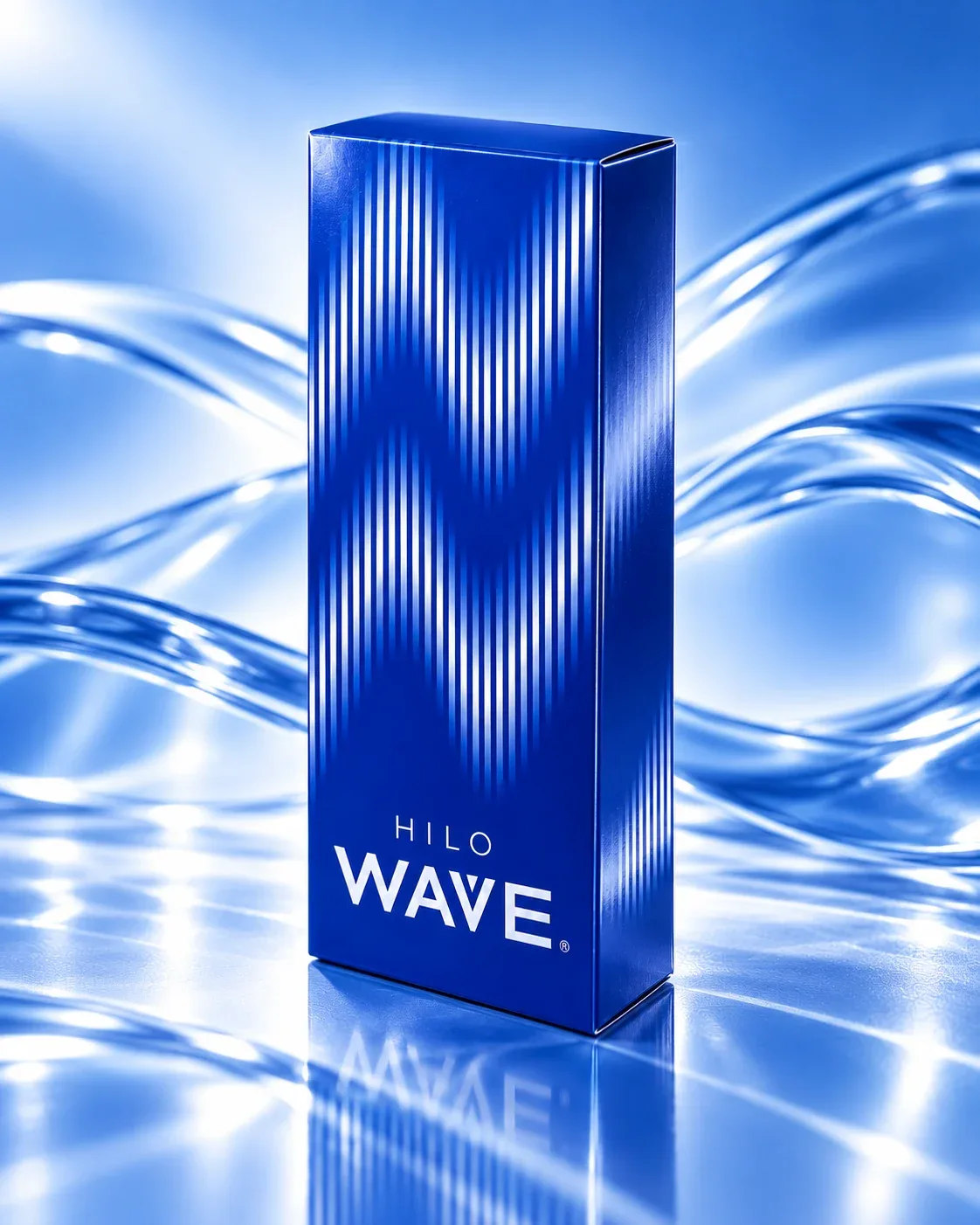
Private label means a product made for your brand. Established third-party brands cannot be private-labelled, so a brand such as Rejuran stays available only as the original product. If you like a format such as a dual hyaluronic acid booster like Hilo Wave, the OEM/ODM route is how you build a line of your own in that style, with its own formula, packaging and name.
Questions to settle before you start
- Which category do you want to lead with, and is a ready ODM formula enough?
- Do you need your own formula (OEM) or a proven one (ODM)?
- Which export documents does your market require?
- How will you plan reorders once the first batch is sold?
To start a project, use the OEM/ODM page and submit a brief. For pricing and availability of existing products, open the product page or choose Request a quote.